Sofas
For upholstered seating, where the sale turns on three questions a photo has to answer - will it fit, what is it made of, and is this the configuration I need. Every slot here is a chance to get one of them wrong.
How the sequence works.
Shoppers move through a listing in order, and each frame has a job to do before the next one matters. Here is what every shot in this template is for, and what it costs you to leave it out.
- Required
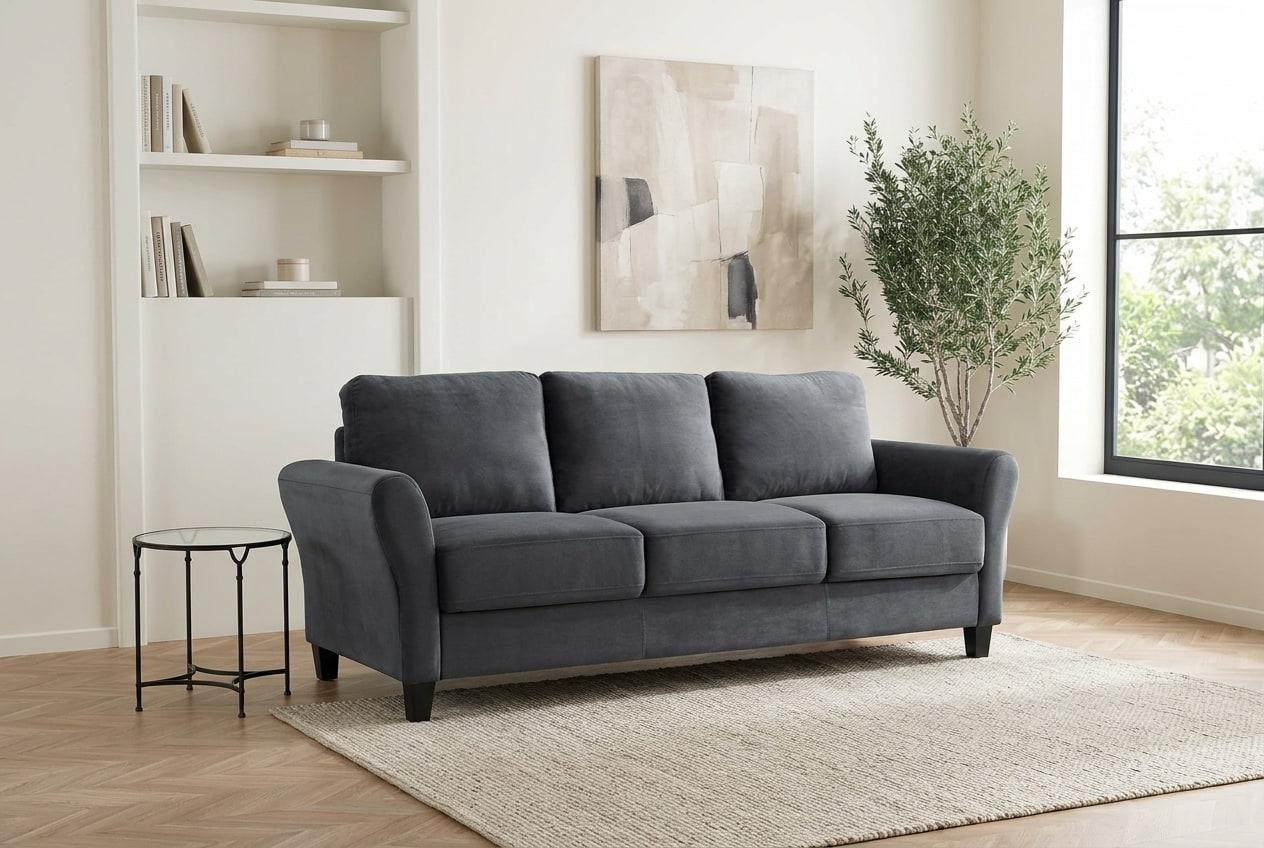
Room Context / In-Situ
The whole sofa in a calm room, clearly the subject, with nothing standing in front of the arms, legs or seat divisions. No second sofa or ottoman unless you sell it.
 Required
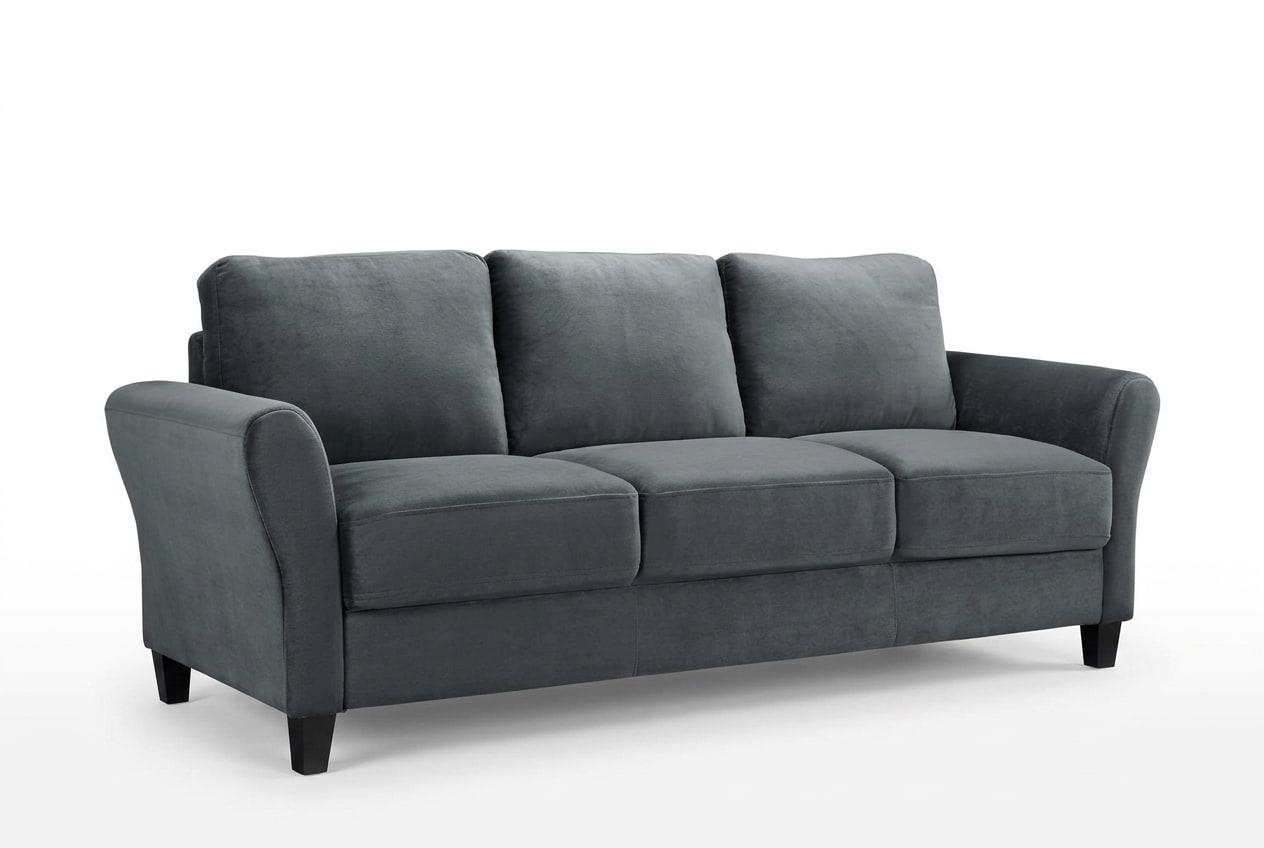
Product-on-White / Isolated
The sofa alone on near-white, three-quarter front so an arm, the back and the seat all read. This is the shot buyers compare against three other sofas, so the legs must show.
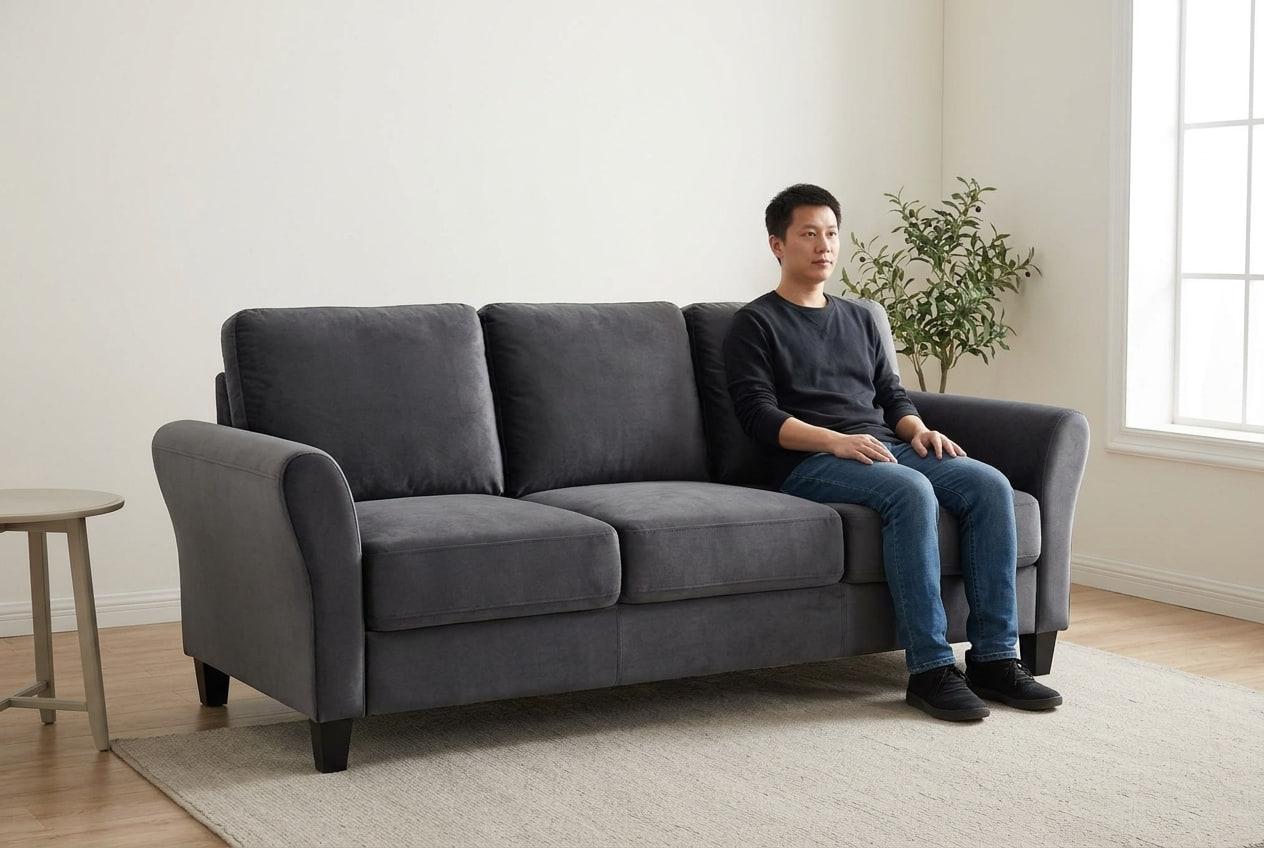 Required
Scale Reference
The will-it-fit answer: an adult on the same floor plane, or your own recorded dimensions. Never estimate a measurement - omit the ones you have not taken.
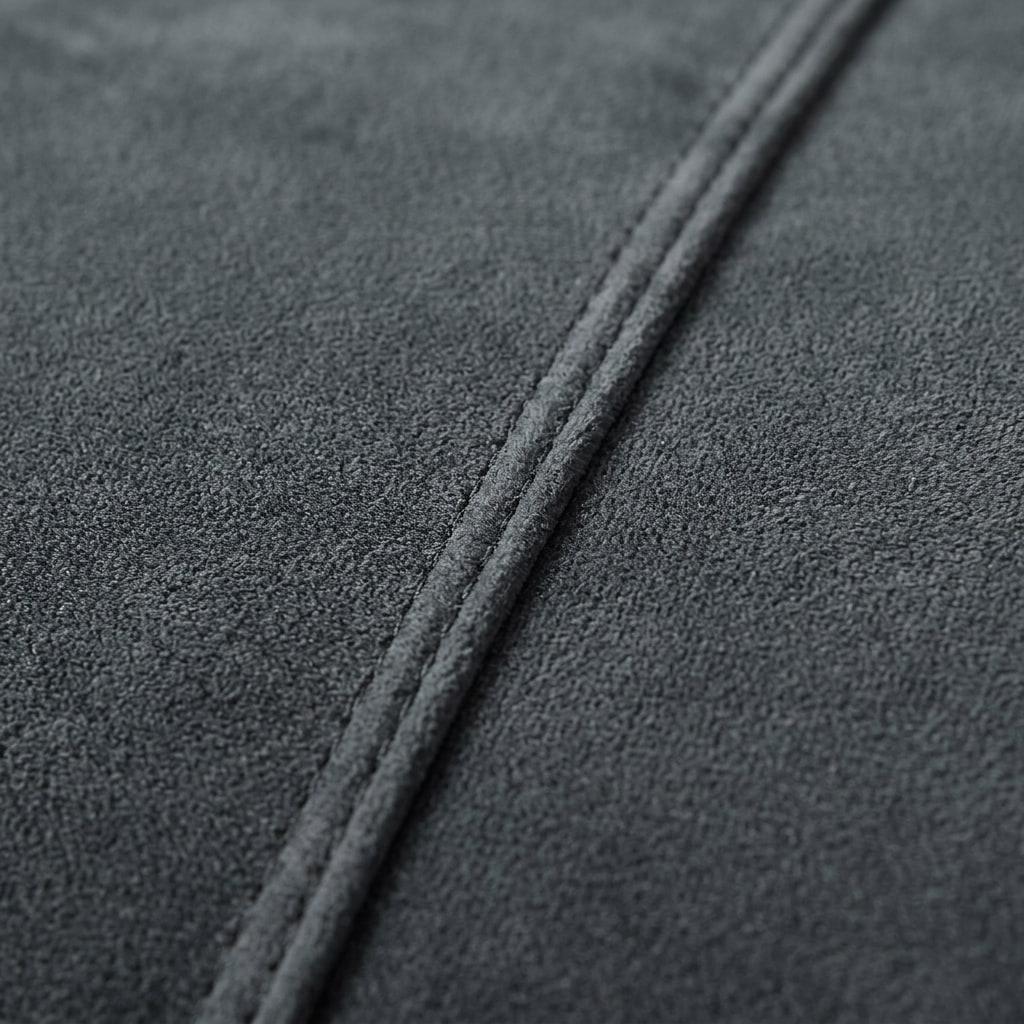 Required
Material / Upholstery Detail
A macro close enough to read the weave, nap and the stitching on one seam. Upholstery is what sofas get returned over, so a generic fabric swatch will not do.
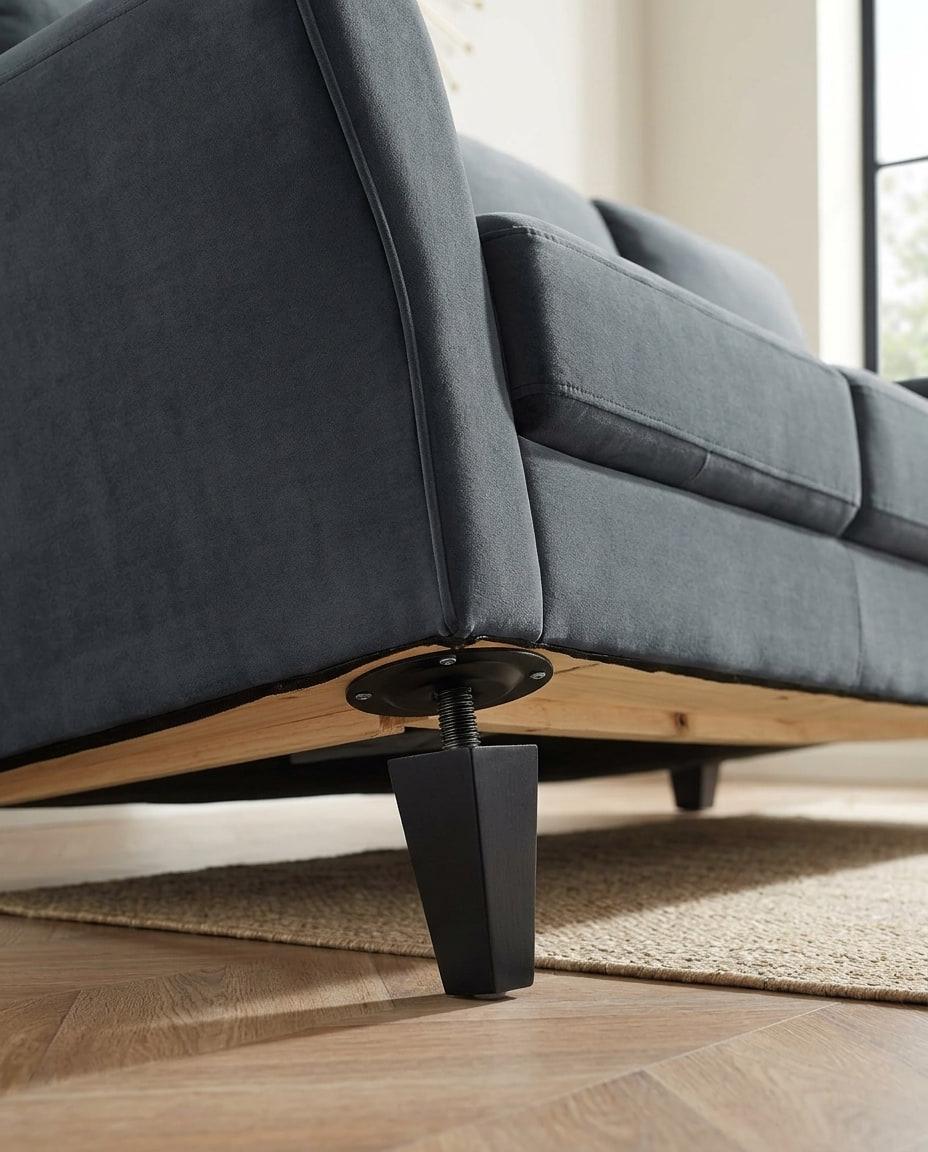 Required
Feature / Configuration Detail
One feature you can actually evidence - the chaise side, a recliner, a leg fixing, a storage base. A mechanism you never listed is a capability you never sold.
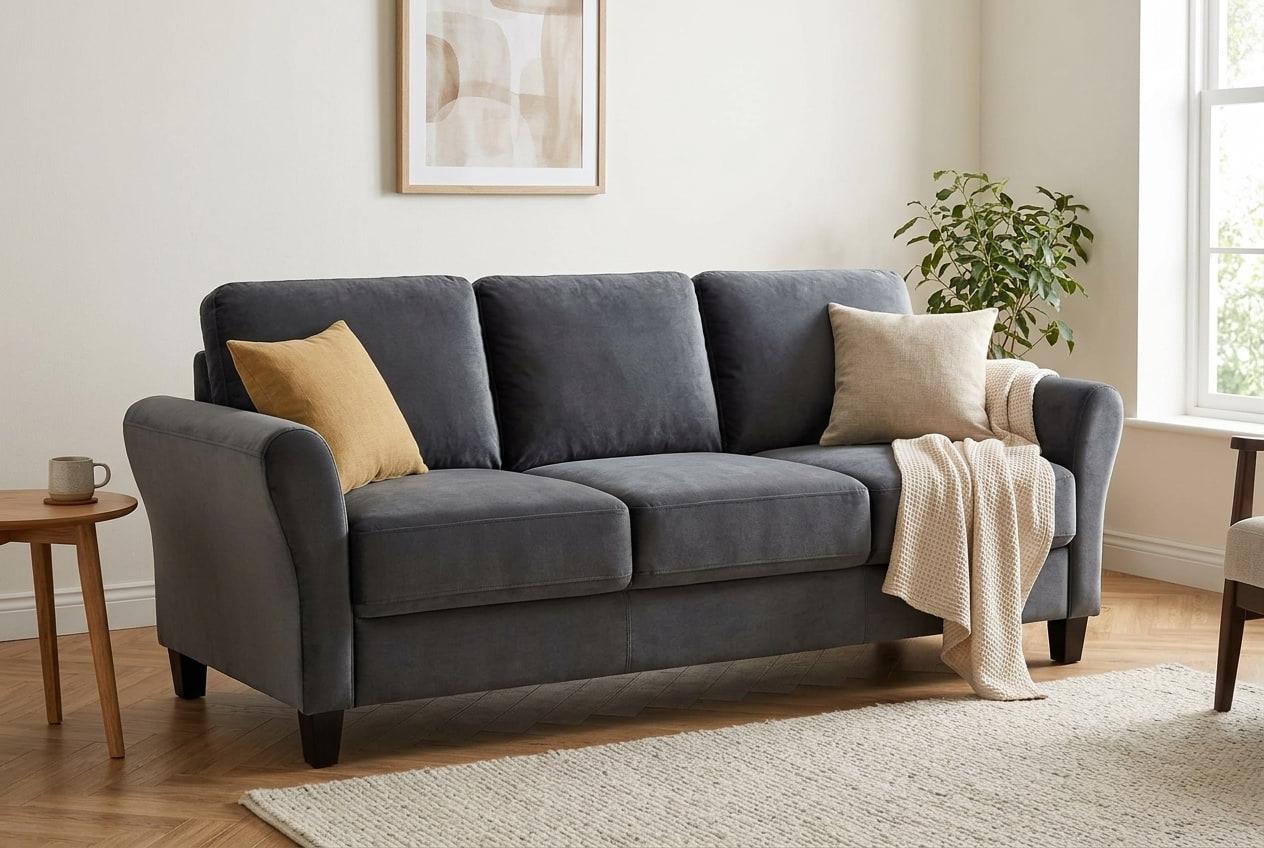 Required
Lifestyle / Styled
Styled in a real room with three or fewer plain props, none of them over an arm, a seat division or a leg. Nothing in frame a buyer could count on receiving.
- Optional
Visual Story
AI-generated video bringing the product to life across multiple angles.
A short clip does what a still cannot: it turns the product through several angles in one continuous take, so the shopper sees how it catches the light and how the parts relate. AdaptiveIQ generates this from your hero shot, so it costs nothing but a click.