Smartwatch
For watches whose screen is the product, where the buyer is choosing between six near-identical rectangles. Case size, the crown and the face are the whole decision - and a watch face you cannot screenshot is an interface you cannot sell.
How the sequence works.
Shoppers move through a listing in order, and each frame has a job to do before the next one matters. Here is what every shot in this template is for, and what it costs you to leave it out.
- Required
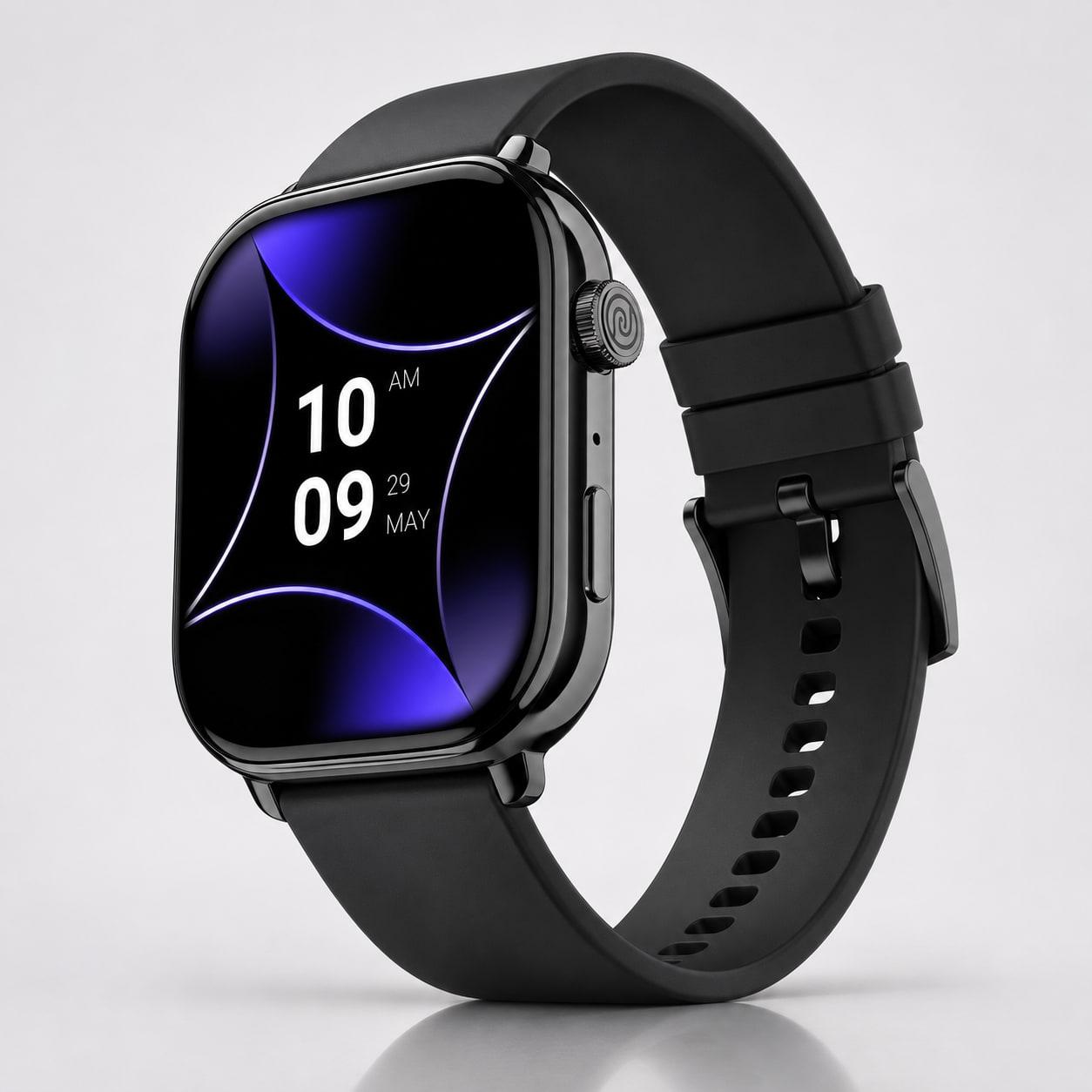
Product Hero / 3-4
The watch angled about thirty degrees on a clean neutral ground, filling roughly three quarters of the frame. The screen, the crown and the side buttons all have to read, and the strap has to fall the way a real strap falls.
 Required
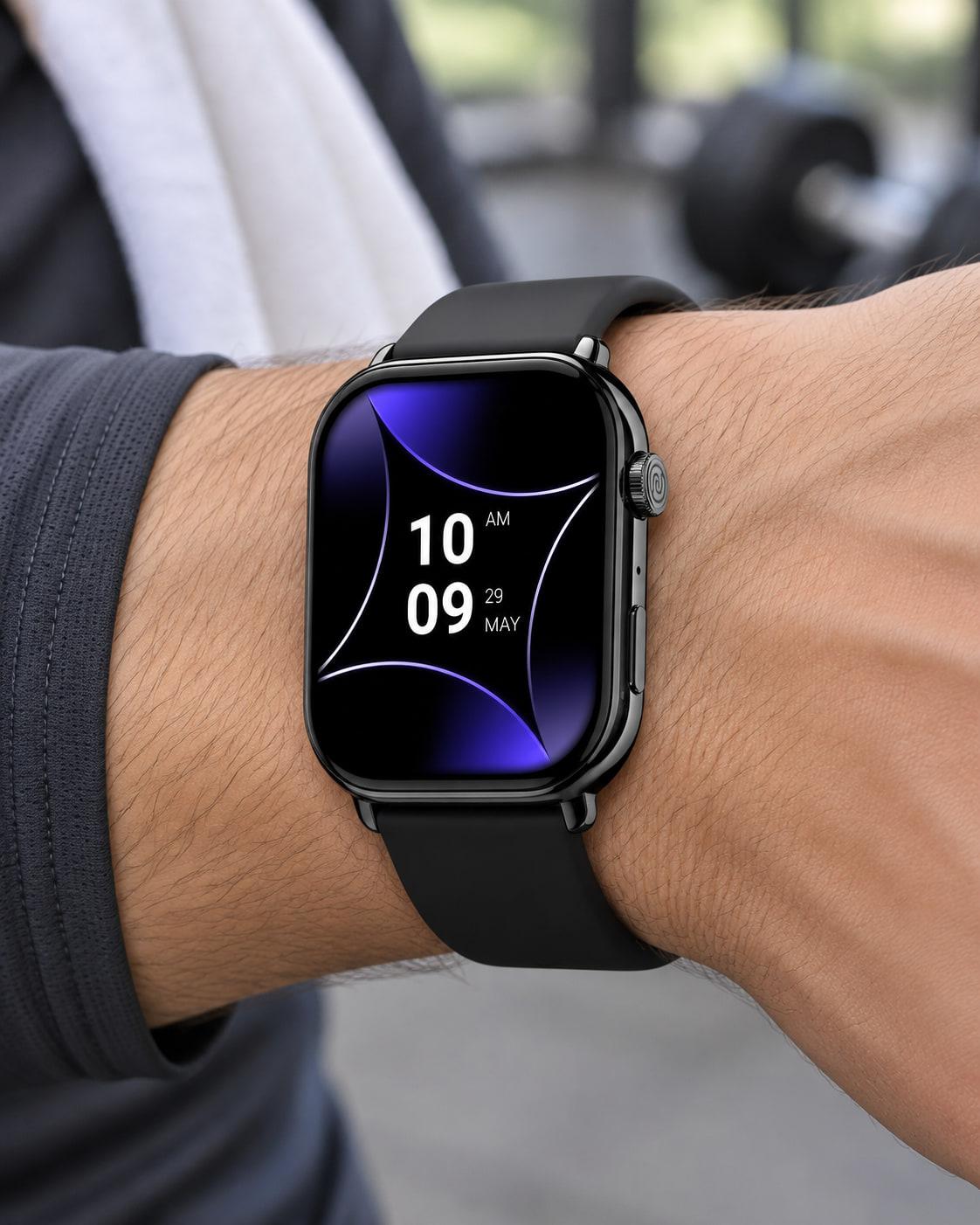
On-Wrist Lifestyle
On an adult wrist in a real moment, watch sharp with its screen to camera. Case size is the one question a hero shot cannot answer, so the proportions here have to be ones a buyer could rely on.
 Required
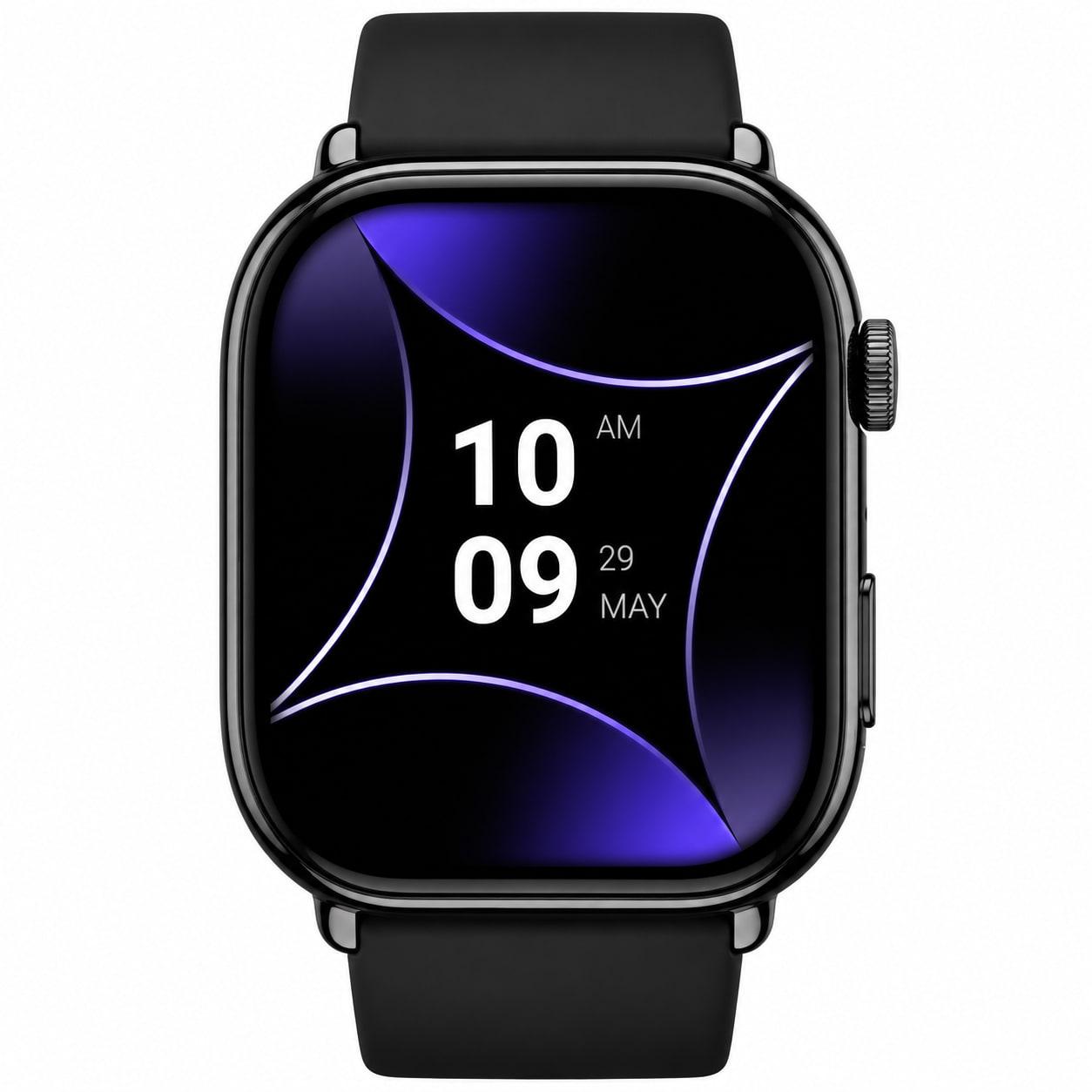
Interface / Watch-Face Shot
Straight-on, screen filling the frame, crown at the edge. This is the part of the product the owner lives in and the easiest thing in the set to invent - every digit and complication must be one you can actually supply.
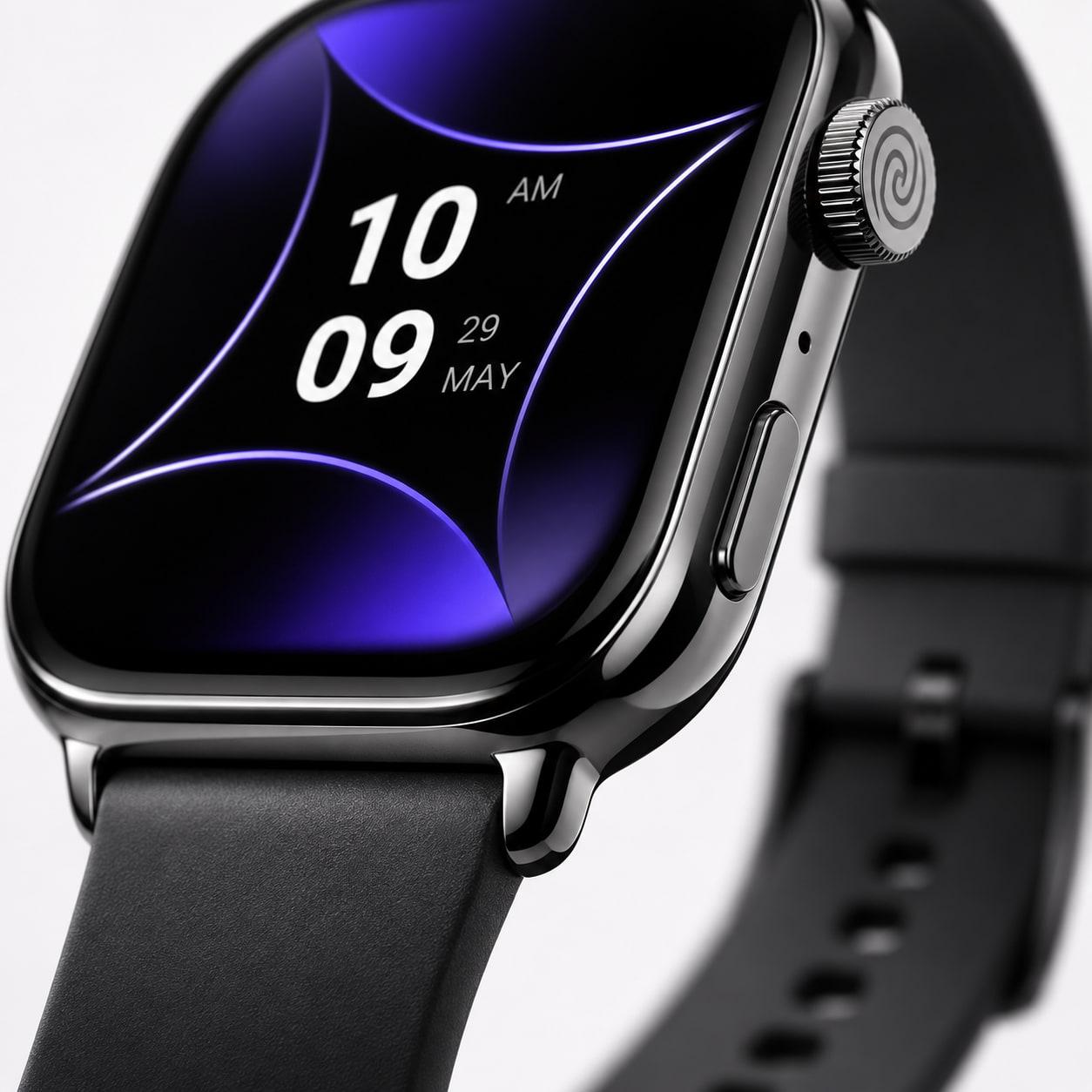 Required
Strap / Material Detail
A macro of the strap, lugs and crown under raking light, sharp on the strap-to-case join. At this distance the material cannot hide: silicone has to read as silicone and brushed has to stay brushed.
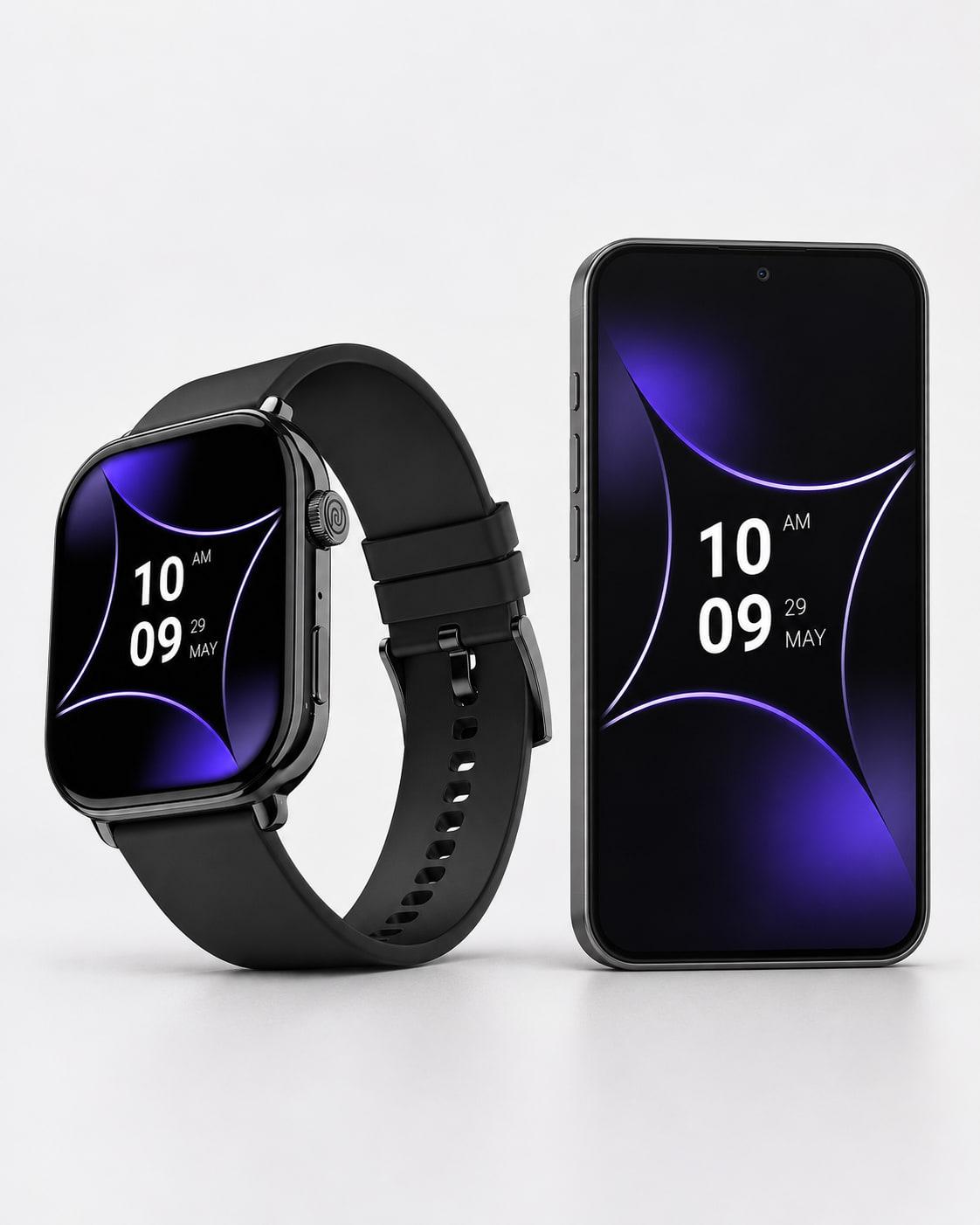 Required
App / Companion Shot
Your own app screenshot on an unbranded phone beside the watch. The app is half of what the buyer is paying for - and mirroring the watch face onto the phone is not a companion app, it is a blank you have filled in.
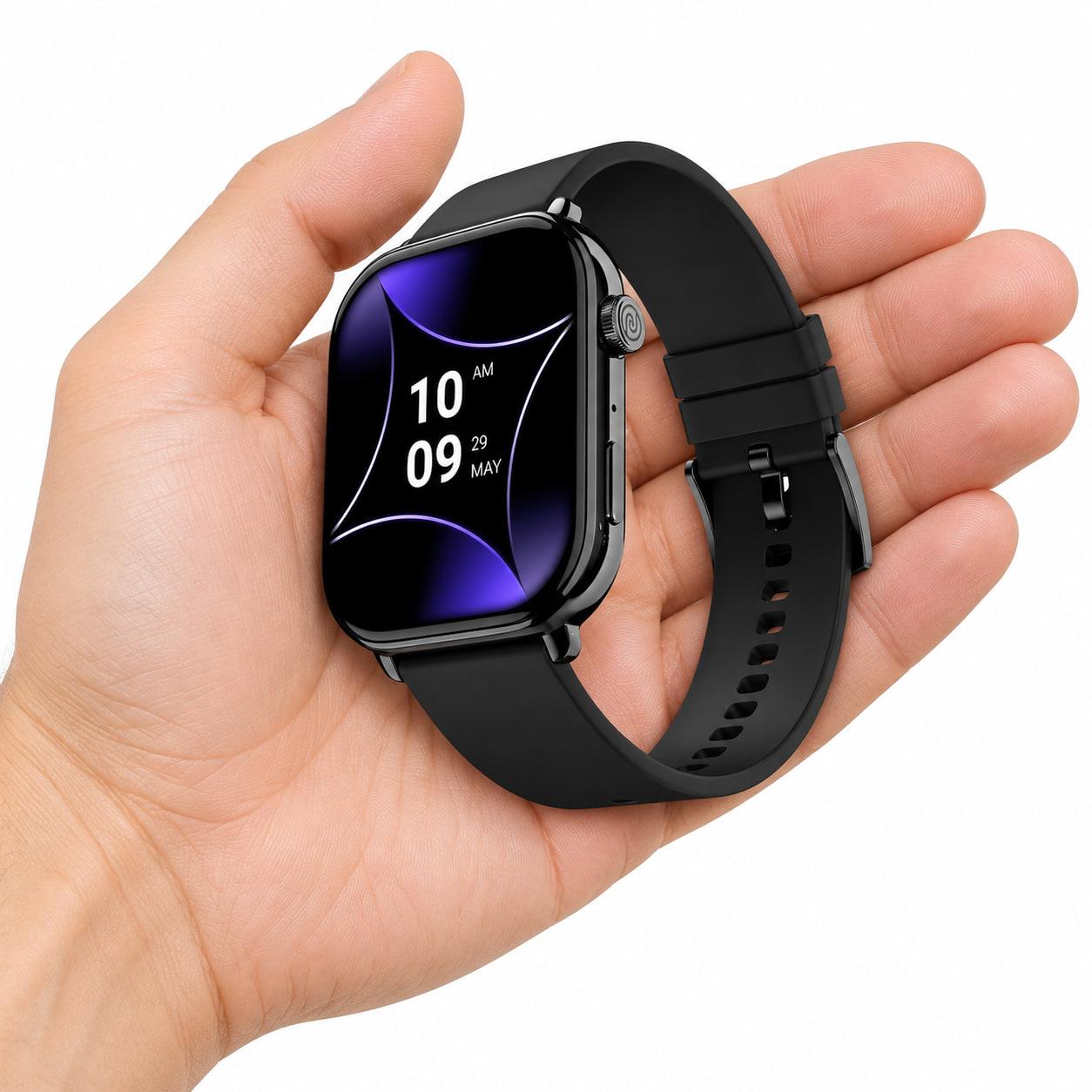 Required
Scale / In-Hand
Held in an adult hand, or beside a plain unmarked coin. Forty-one and forty-six millimetres are indistinguishable in a cropped hero shot, and that gap is what drives the returns.
- Optional
Visual Story
AI-generated video bringing the product to life across multiple angles.
A short clip does what a still cannot: it turns the product through several angles in one continuous take, so the shopper sees how it catches the light and how the parts relate. AdaptiveIQ generates this from your hero shot, so it costs nothing but a click.