Smart Home Device
For connected hardware, where the buyer is choosing between six near-identical white boxes. The silhouette, the sensor eye and the app screen are the whole decision - and a screen you cannot screenshot is a feature you cannot sell.
How the sequence works.
Shoppers move through a listing in order, and each frame has a job to do before the next one matters. Here is what every shot in this template is for, and what it costs you to leave it out.
- Required
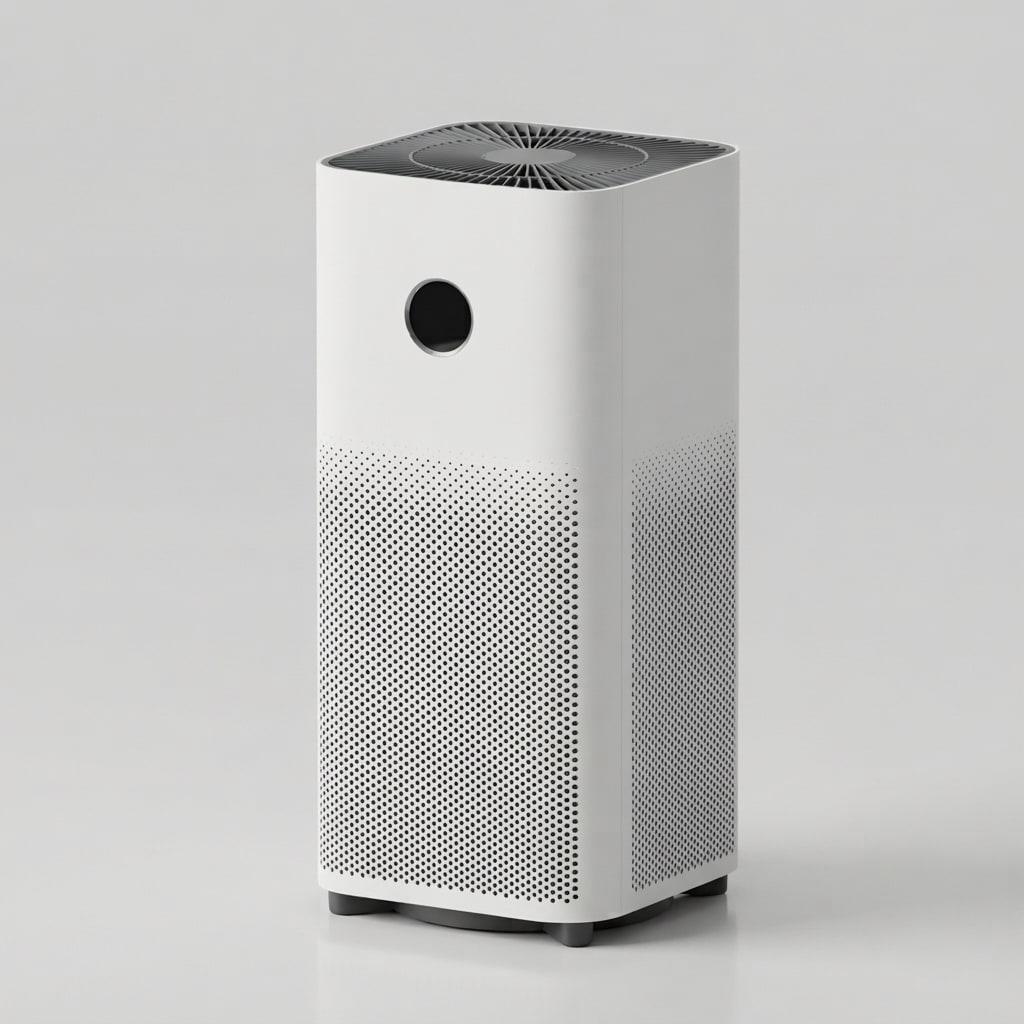
Product Hero / Three-Quarter
The device angled about thirty degrees on a clean neutral ground, filling roughly three quarters of the frame. Every port, button and indicator light must be the real one - and a light may only glow if it genuinely glows.
 Required
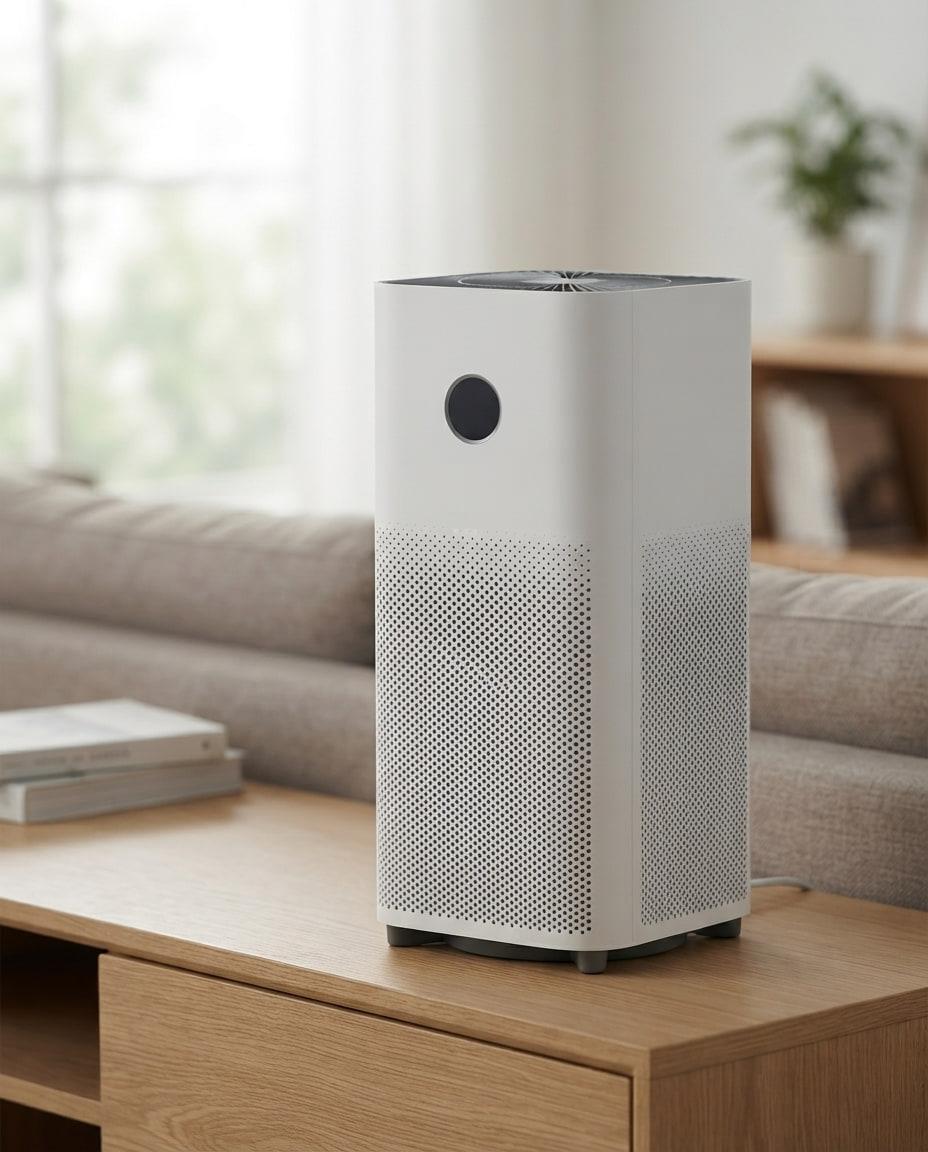
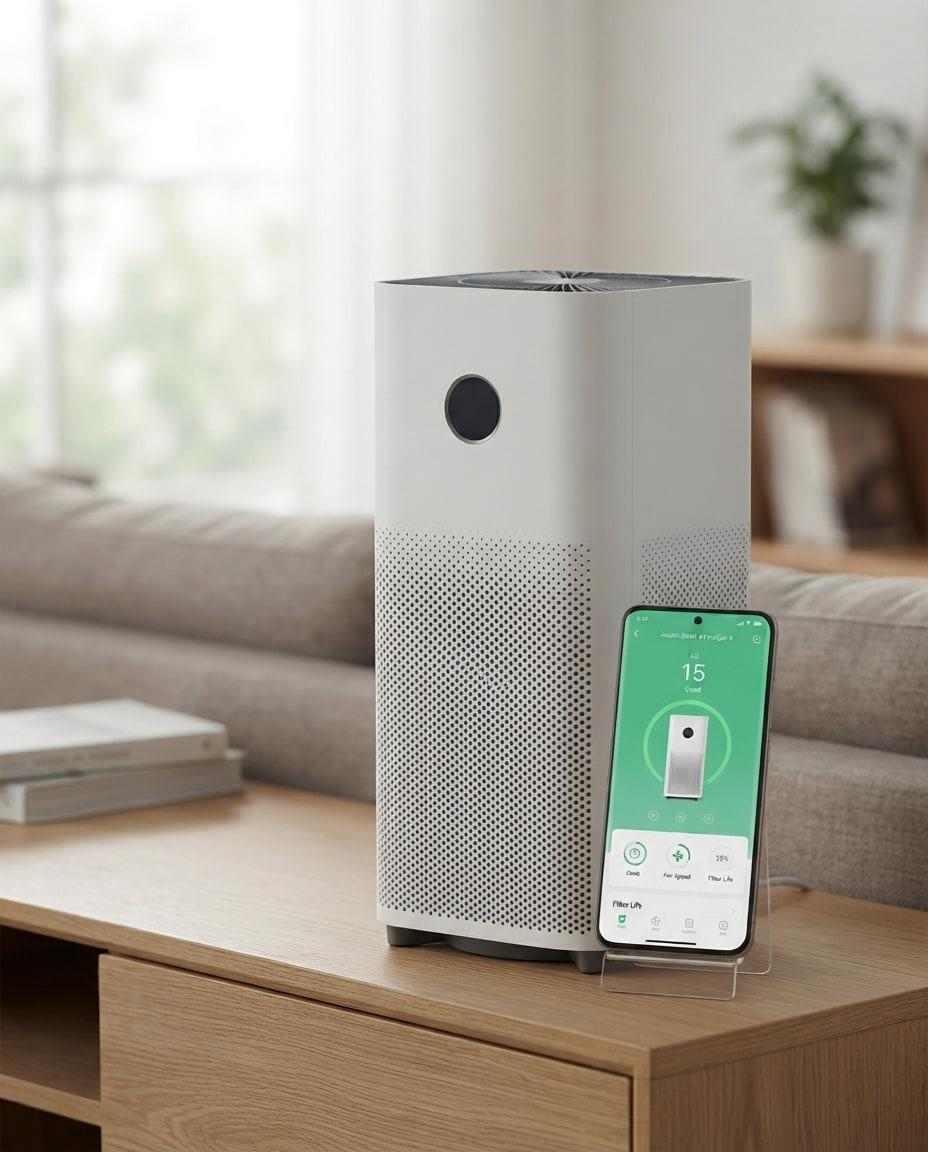
Room Context / In-Use
Where it actually lives: the shelf, wall, counter or ceiling the product truly needs. This is the shot that stops size-surprise returns, so the scale against the furniture has to be one that could be real.
 Required
Interface / App Shot
Your own app screenshot on an unbranded phone, or the device's own display. Every label and value must be legible and correctly spelled - a garbled line or an invented reading fails this shot outright.
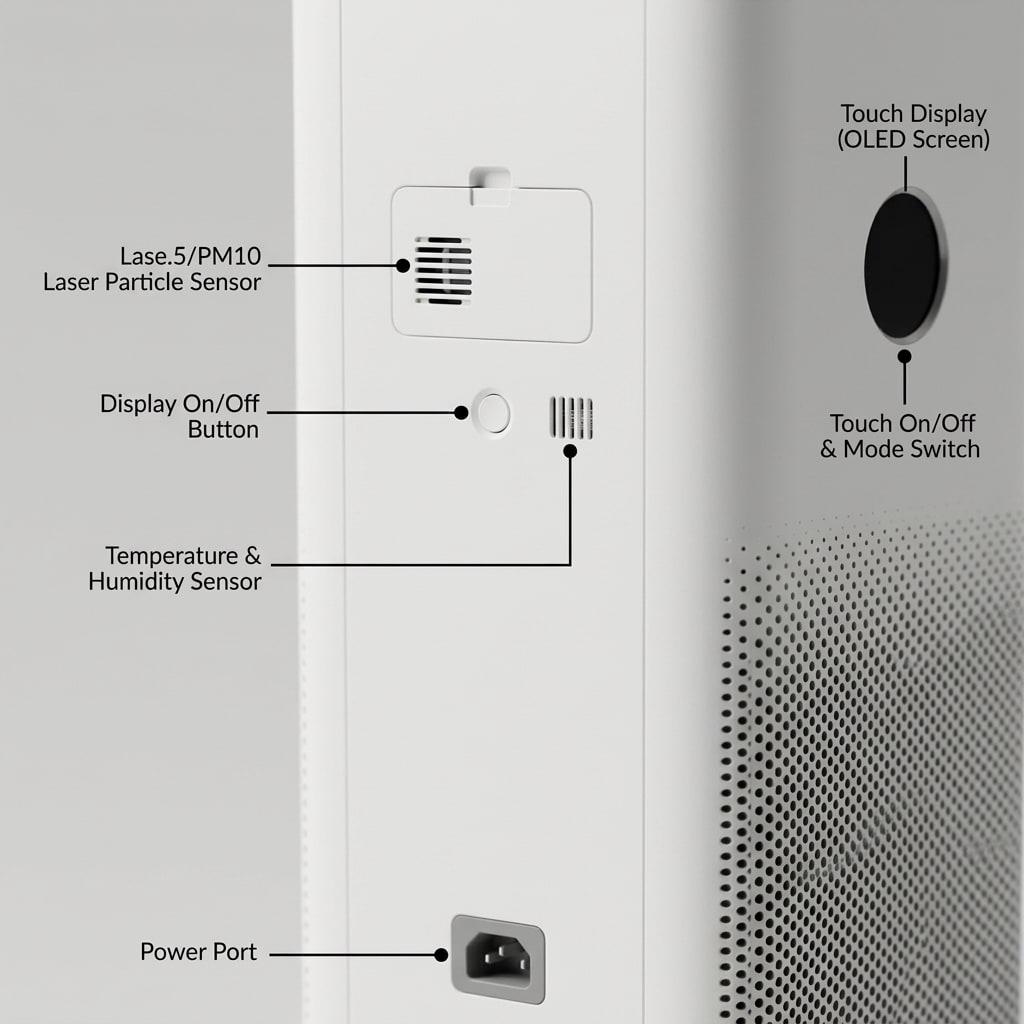 Required
Feature / Port Detail
A macro of the ports, buttons and sensors with four callouts at most. Name only what is visible: a sensor grade, a screen technology or a certification mark is a specification, and a specification is a promise.
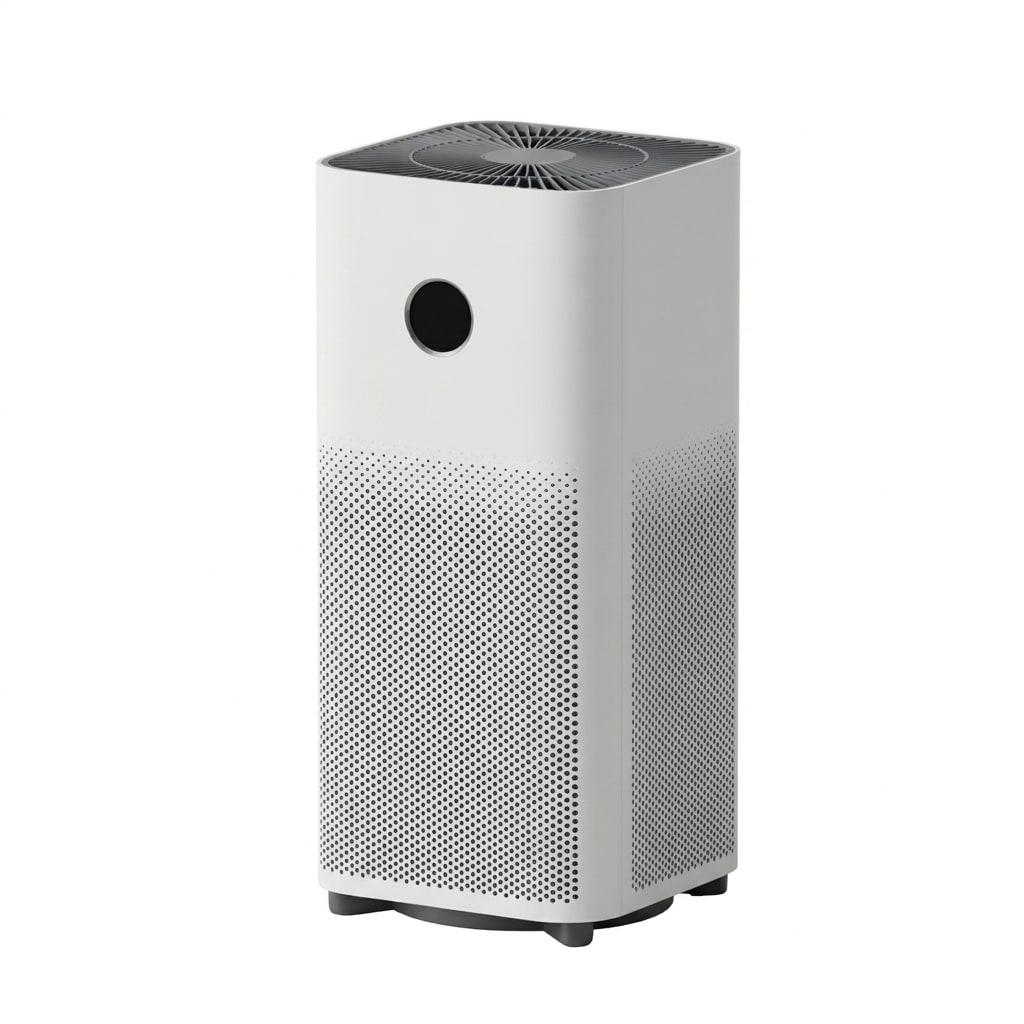 Required
Product-on-White
The device alone on pure white at about eighty-five per cent fill, no props. A white body on a white ground is the hardest thing to light - separate it without tinting it grey.
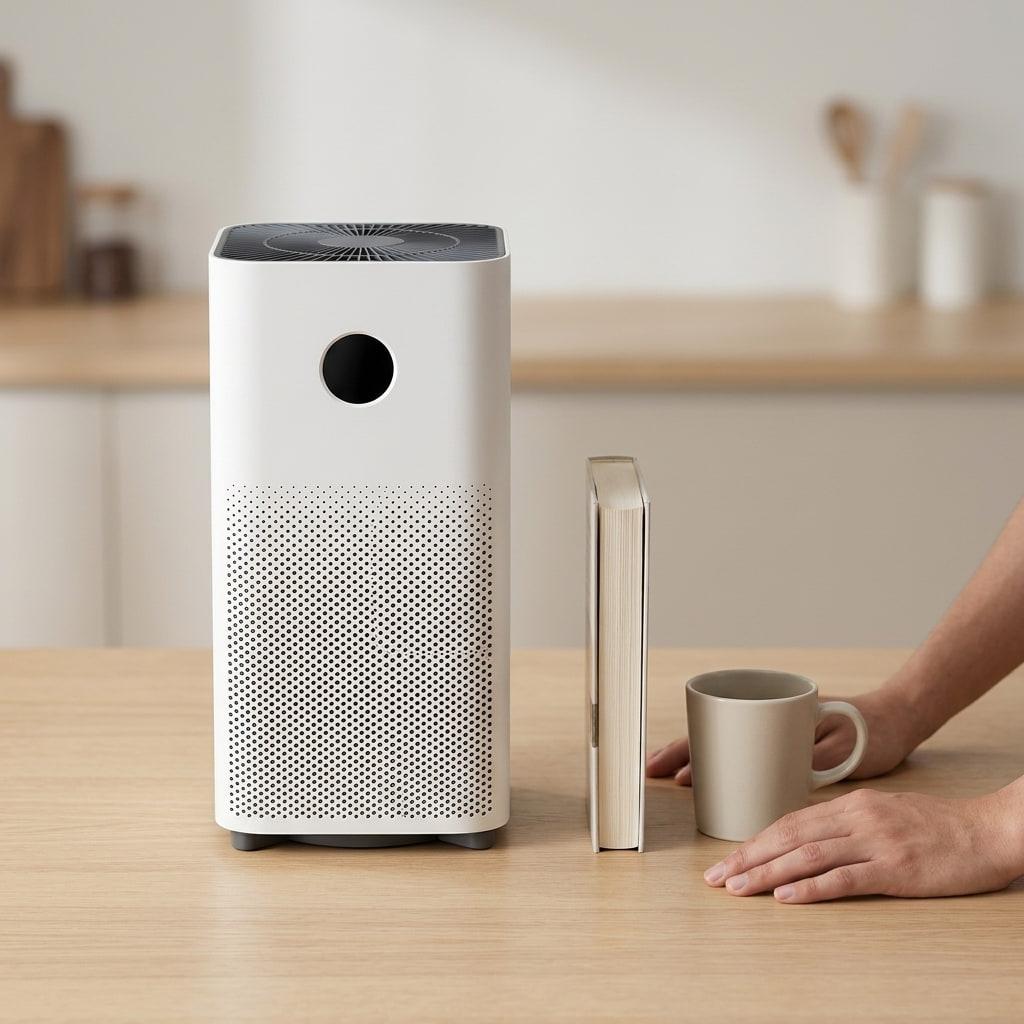 Required
Scale / In-Hand
Held in one adult hand, or beside a mug or paperback. Count the fingers and check the hands could belong to one person - a second right hand is the fastest way to lose a sale.
- Optional
Visual Story
AI-generated video bringing the product to life across multiple angles.
A short clip does what a still cannot: it turns the product through several angles in one continuous take, so the shopper sees how it catches the light and how the parts relate. AdaptiveIQ generates this from your hero shot, so it costs nothing but a click.