Handbags
For bags carried in the hand, on the shoulder or crossbody, where the lining and pocket count answer the question the photographs usually leave open and the carry shot has to show a way the bag can really be carried.
How the sequence works.
Shoppers move through a listing in order, and each frame has a job to do before the next one matters. Here is what every shot in this template is for, and what it costs you to leave it out.
- Required
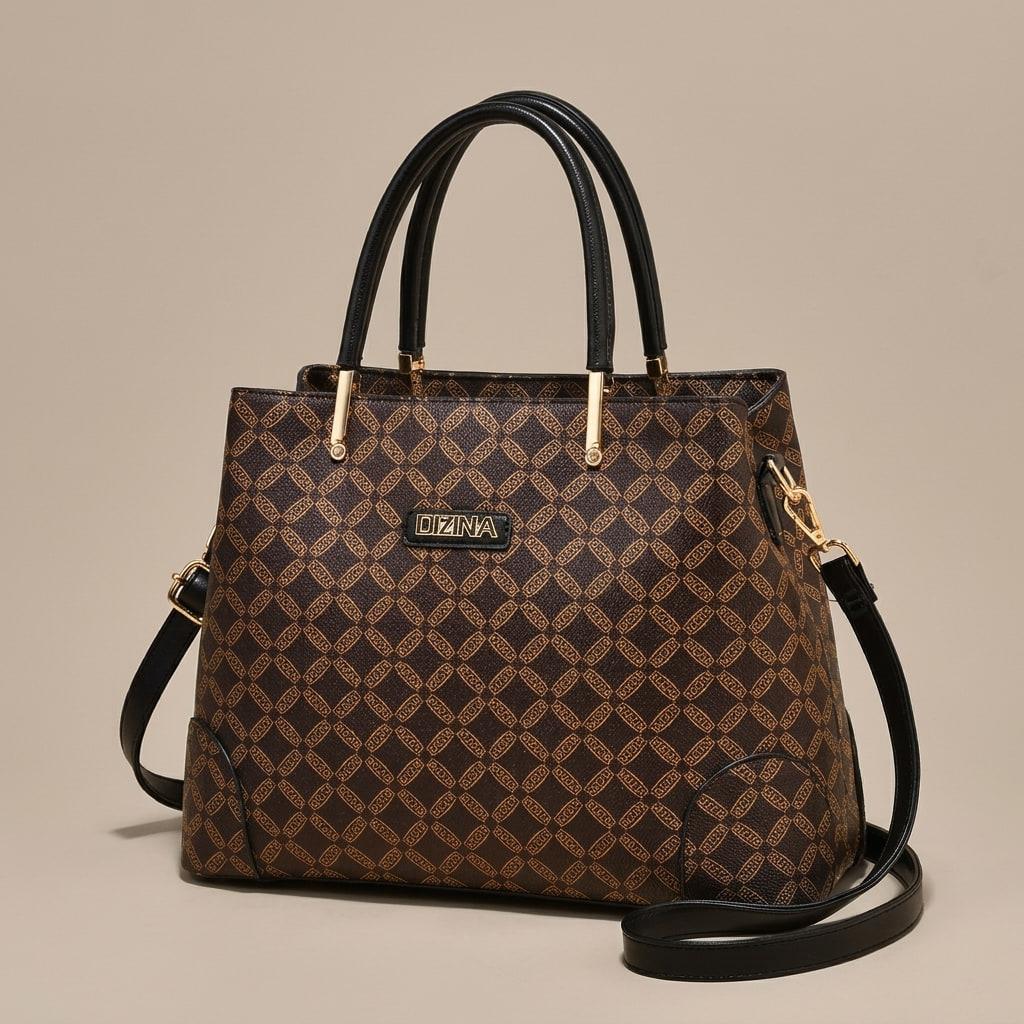
Product Hero / 3-4
One bag alone upright on a plain neutral ground, turned so the front and one side both read, with the handle or strap arranged the way the real bag carries it.
 Required
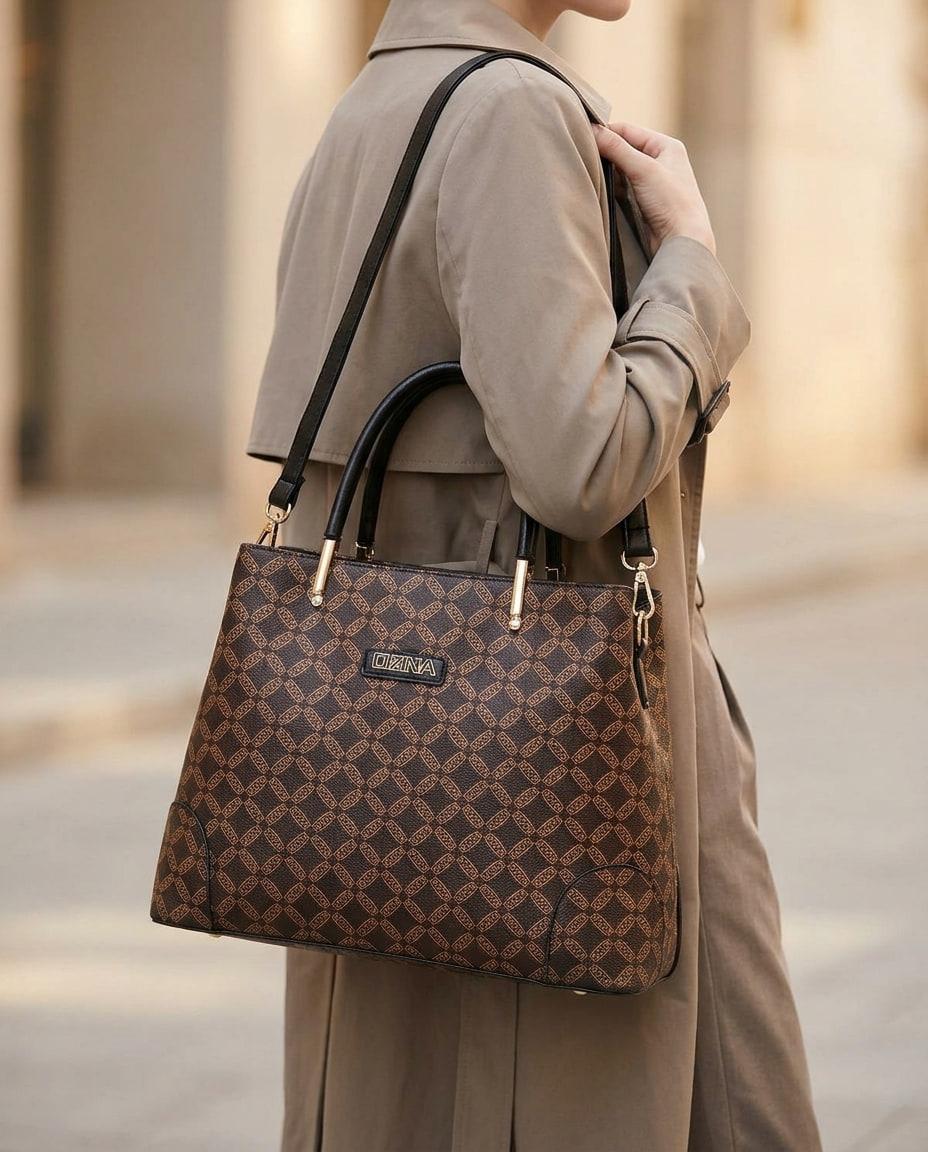
On-Body / Carry
Carried by one adult in a way the bag can really be carried. A strap is never lengthened to make a pose work, and the face stays out of frame.
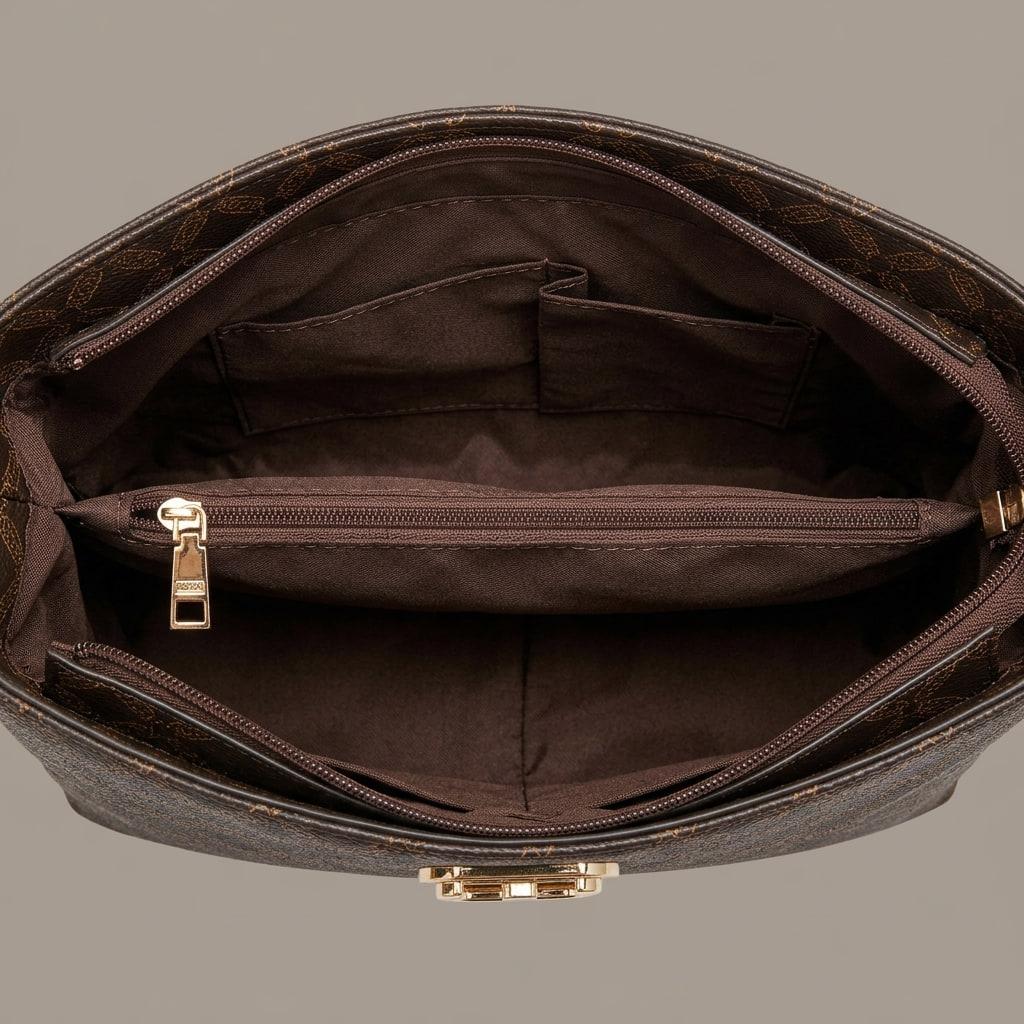 Required
Interior / Open Shot
Open and empty, with the real lining, pockets and closure easy to inspect. Capacity and pocket count are what buyers ask about and cannot check anywhere else.
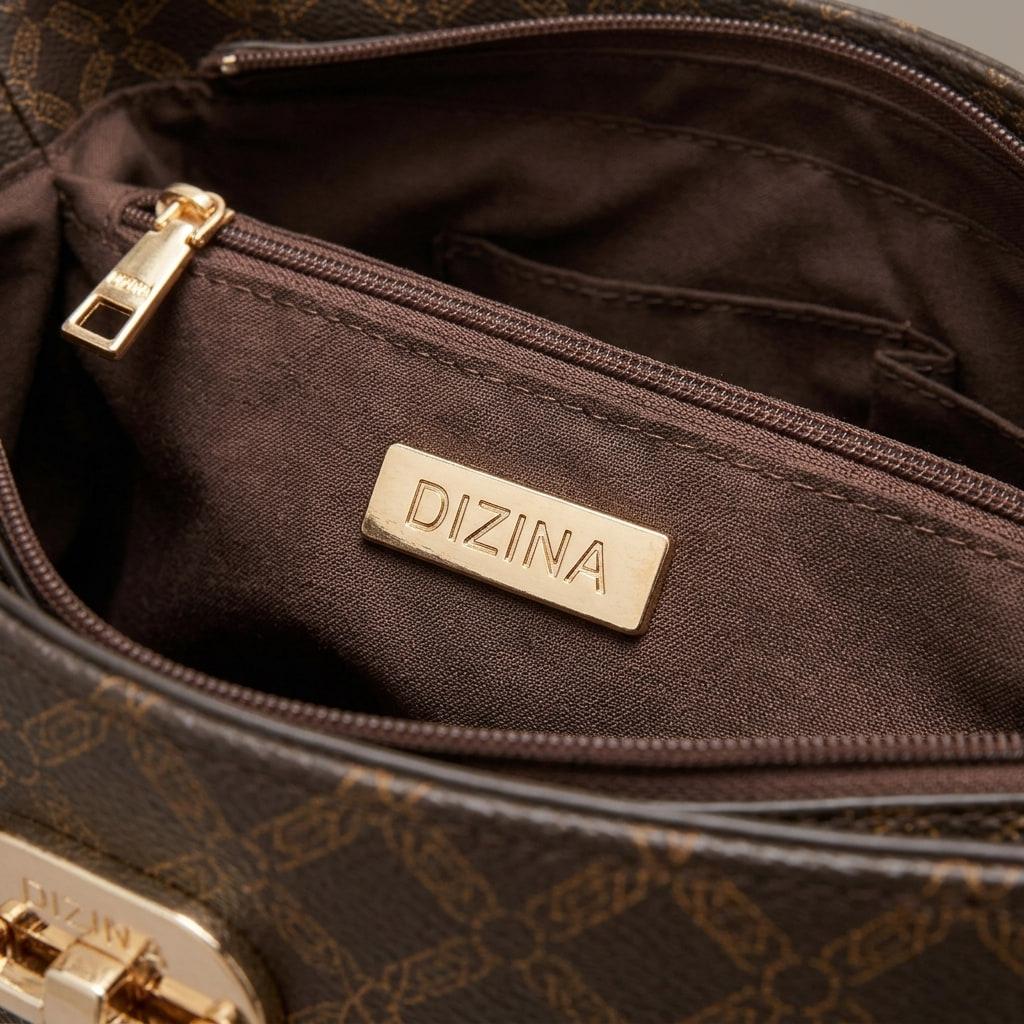 Required
Material / Hardware Close-Up
A sharp macro of the real grain, stitching, edge paint or hardware. Grain and engraving come from real pixels, never sharpened into existence.
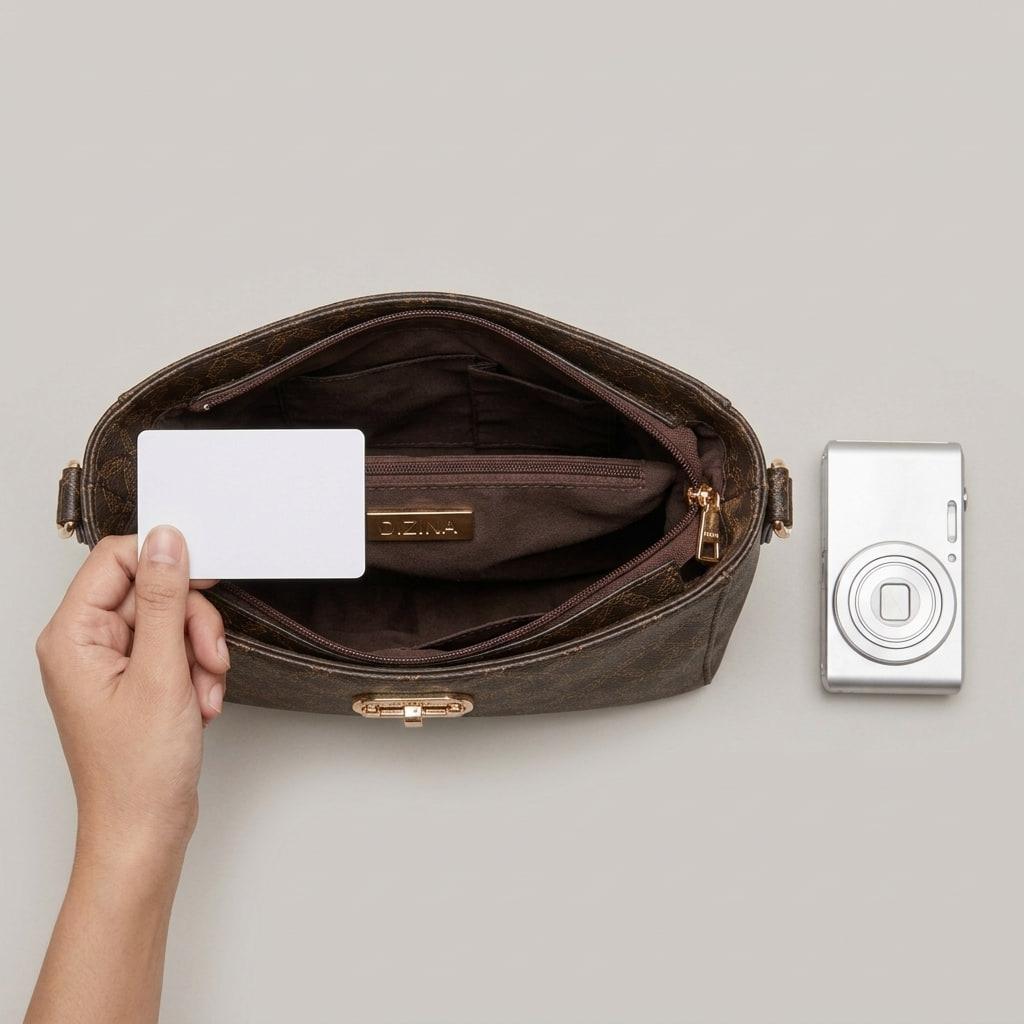 Required
Scale Reference
Beside one plain unbranded object of known size on the same surface. Size surprise is the commonest reason a bag comes back, so this shot is a claim.
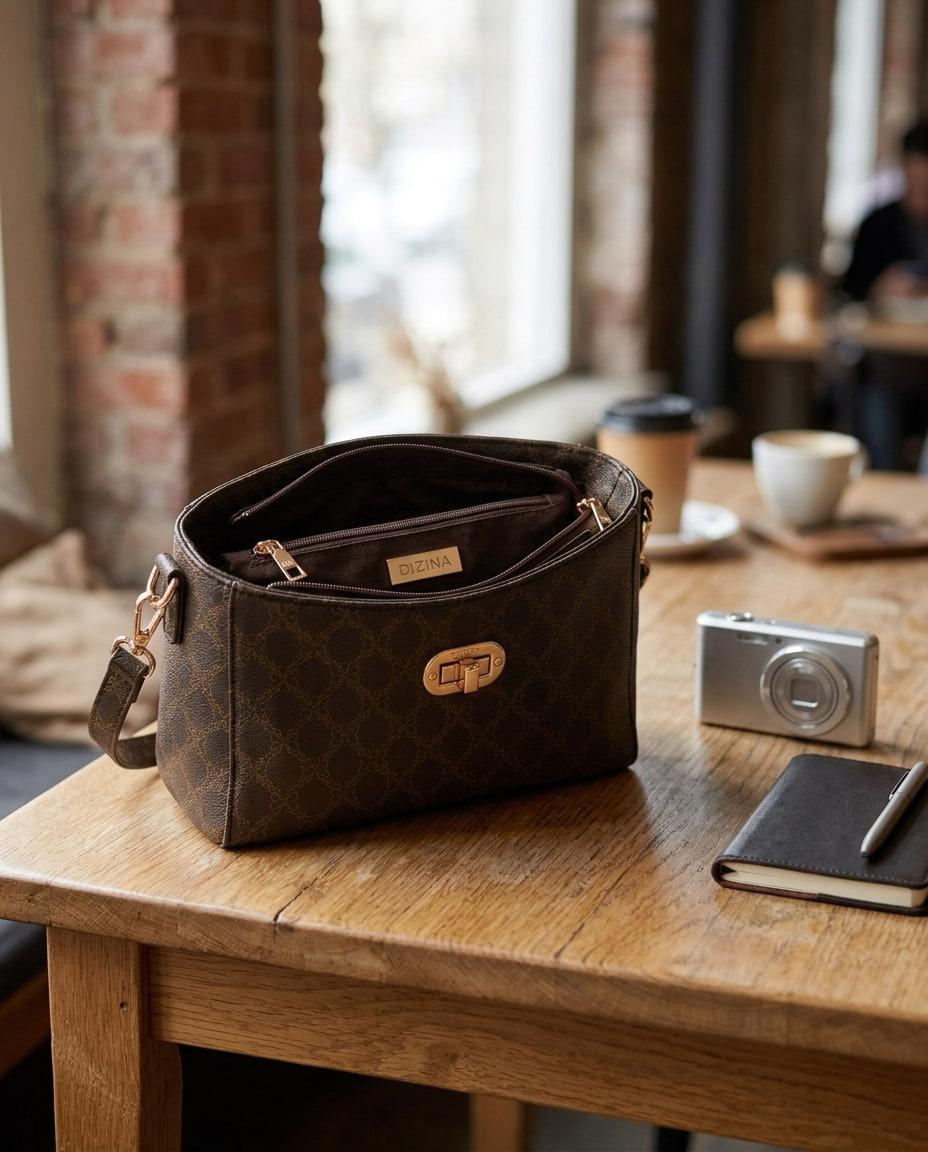 Required
Styling / Lifestyle
The bag as the clear subject of a calm, believable occasion with three or fewer plain props, and no rain, wear or durability staging.
- Optional
Visual Story
AI-generated video bringing the product to life across multiple angles.
A short clip does what a still cannot: it turns the product through several angles in one continuous take, so the shopper sees how it catches the light and how the parts relate. AdaptiveIQ generates this from your hero shot, so it costs nothing but a click.